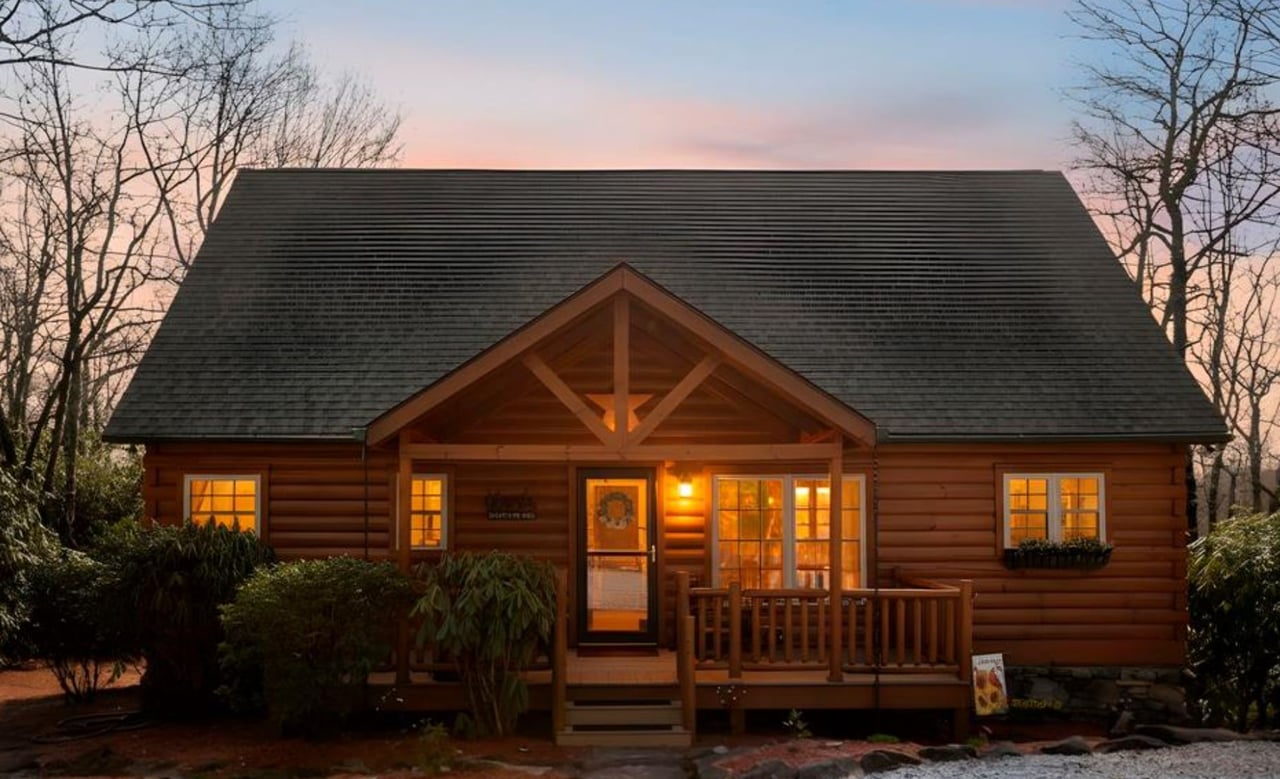
What Should I Do To Prepare My WNC Secondary Home for Winter
Cindy Petit | Owner & Broker, Petit Properties WNC November 4, 2026
Cindy Petit | Owner & Broker, Petit Properties WNC November 4, 2026
As October comes to a close in Western North Carolina, the vibrant fall foliage transitions to crisp late-autumn air across the Blue Ridge Mountains. For many secondary homeowners and seasonal residents in Lake Toxaway, Brevard, Sapphire, and Cashiers, late October and early November mark the time to close up vacation residences for the colder months.
Mountain homes, particularly those at elevations exceeding 3,000 feet or positioned along the water, experience distinct winter conditions. Freezing temperatures, rapid weather shifts, high-elevation winds, and seasonal precipitation require proactive care. Taking systematic steps to winterize your mountain property protects your investment, prevents costly emergency repairs, and ensures your return in the spring is seamless.
Here is a comprehensive, practical guide to preparing your Western North Carolina secondary home for winter, developed from decades of local property experience.
Plumbing vulnerabilities represent the single greatest winter risk for unoccupied mountain homes. A burst pipe during a hard freeze can cause catastrophic damage before it is detected.
Main Water Shutoff: Shut off the main interior water supply line after your final autumn stay. If your home is on a private well, switch off the dedicated circuit breaker for the well pump to prevent dry cycling.
Drain Fixtures and Lines: Open all interior faucets (kitchen, bathrooms, wet bars) and exterior hose bibs to allow standing water to drain completely. Flush all toilets and sponge out remaining water from tanks and bowls, or add non-toxic RV/marine plumbing antifreeze to toilet traps, sink P-traps, and floor drains.
Exterior Hose Bibs: Disconnect and drain all garden hoses. Exterior spigots should be shut off via interior isolation valves, drained, and insulated with freeze-protection covers.
Water Heaters & Filtration: Turn standard electric water heaters off at the breaker panel if draining the tank. For tankless systems, follow manufacturer guidelines to purge water from internal heating coils.
Even with water systems drained, your home should maintain a baseline indoor temperature to protect building materials, cabinetry, drywall, and appliances.
Maintain 55°F Minimum: Never turn your heating system completely off. Set your thermostats no lower than 55°F (13°C). In multi-level homes or homes with separate zones, keep all zones set consistently to prevent cold air pockets.
Smart Monitoring: Install Wi-Fi-enabled smart thermostats (such as Nest or Ecobee) that alert your smartphone if temperatures drop below safe thresholds or if power is interrupted.
Pre-Winter System Service: Schedule a certified local technician to service your furnace or heat pump before departure. Replace all air filters, inspect burners, and test emergency heat strips.
Fuel & Propane Supplies: If your property utilizes propane, confirm tanks are filled to capacity (at least 80%) before winter weather limits mountain road delivery access.
Properties situated along Lake Toxaway or private mountain ponds require specialized exterior attention before freezing conditions set in.
Dock & Boathouse Care: Remove pontoon boats, ski boats, and personal watercraft from the water. Schedule engine winterization and store vessels in secure dry storage or on raised boat lifts with fitted canvas covers.
Dock Utilities: Shut off water lines servicing dock sinks, outdoor showers, and fish-cleaning stations. Disconnect and blow out lines with compressed air.
Roof Valleys & Gutters: Clear fallen leaves, pine needles, and debris from all roof valleys, gutters, and downspouts. Heavy autumn leaf buildup can freeze into ice dams, forcing winter meltwater under roof shingles.
Outdoor Living Areas: Store or cover outdoor teak, wicker, and iron furniture. Clean outdoor kitchens, shut off gas supplies to grills, and store outdoor cushions in airtight indoor bins.
A wood-burning or gas fireplace is a central feature of Western North Carolina mountain homes, but an open damper invites cold air and pests inside.
Close Flues Tightly: Close all fireplace dampers securely once embers are completely cold. An open flue pulls warm air out of the home and allows freezing drafts into the living room.
Chimney Inspection: Schedule an annual chimney sweep to remove creosote buildup from fall fires and inspect exterior chimney caps for screen damage.
Gas Logs: For vented gas log units, switch pilot lights to the off position if leaving the home vacant for extended winter periods, following manufacturer specifications.
As temperatures drop, field mice, flying squirrels, and insects seek warm shelter inside unoccupied residences.
Pantry Clearout: Remove all perishable food items from refrigerators and pantries. For dry goods, transfer items into airtight glass, metal, or heavy-duty plastic containers.
Waste Removal: Empty all household trash bins, recyclables, and compost cans. Do not leave indoor or outdoor trash that could attract wildlife.
Exterior Entry Points: Inspect foundation vents, crawl space access doors, and roof eaves. Seal gaps around utility penetrations using copper mesh or spray foam to block small entry points.
Technology provides remote visibility, but nothing replaces boots on the ground after a heavy mountain snowfall or winter ice storm.
Boots on the Ground: Retain a trusted local property manager or caretaker to walk your property bi-weekly and immediately following severe winter weather. Local checks ensure power has not tripped, freeze alarms are functional, and driveways remain accessible.
Emergency Contact Protocols: Leave a spare key or access code with your local real estate broker or property caretaker, along with your emergency contact numbers and preferred local tradesmen (plumber, electrician, HVAC technician).
Taking the time to properly close your mountain retreat ensures that when spring returns to the Blue Ridge Mountains, your home is pristine, functional, and ready for another season of mountain memories.
Whether you are winterizing your existing residence, exploring seasonal property management resources, or looking to purchase property in Lake Toxaway, Brevard, Sapphire, or Cashiers, Petit Properties brings lifelong local expertise to guide you every step of the way.
Looking for trusted local real estate guidance in Western North Carolina?
Contact Cindy Petit, Owner/Broker at Petit Properties:
Call/Text: 828-553-1023
Visit: petitpropertieswnc.com & homeslaketoxawaync.com
Local Expertise. Proven Results.
Stay up to date on the latest real estate trends.
Essential Winterization & Property Care Checklist for Mountain & Lake Homeowners


We are dedicated to helping you find your dream home and assisting with any selling needs you may have. Contact us today to start your home searching journey! (not shown Ea Dossey and Rebecka Gibson.)